
Bible Verse:Daily Pray
X5 Network AreaTools
4.7167.00 Reviews
- Version
- 1.3.0
- Installs
- 100.00K
- Age Rating
- Teen
Screenshots
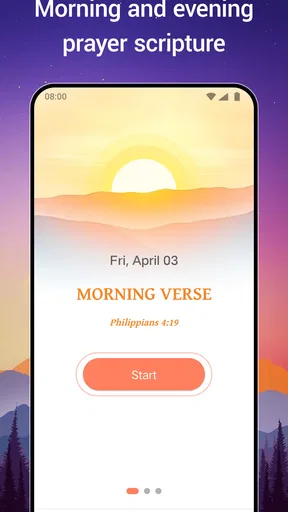



Our Review of Bible Verse:Daily Pray
 Analysis by Appyee
I approached Bible Verse:Daily Pray as a practical spiritual tool rather than another app to open once and forget. Its purpose is simple: place a Bible verse and a prayer-focused moment within easy reach during an ordinary day. That narrow focus is also its appeal. I did not have to sort through a large library of unrelated tools or turn the experience into a complicated study project before getting something useful from it.
Developed by X5 Network Area, this free Tools app is aimed at people who want a small daily reminder of faith on an Android device. Its store summary presents it as a daily prayer and spiritual assistant, while the short description points directly to Bible verses. The combination suggests a companion for brief, repeatable moments rather than a replacement for a full Bible study app, a church resource, or a structured devotional program.
My overall impression is favorable, especially for someone who values consistency over complexity. The app has a 4.7 average from around 1.1 thousand ratings, and it has passed the 100 thousand install mark. Those figures do not tell me whether every user will enjoy the same workflow, but they do indicate that the basic idea has found a real audience. The more important question is whether the app fits your personal routine, and that depends on how much depth and customization you expect.
How the app feels during a normal day
I find this app’s value is easiest to judge by whether it fits around the day you already have, rather than by how long you spend in it. A brief pause before work or after a demanding task can make a verse feel like a deliberate checkpoint, not just another item to tap through. That everyday rhythm also makes it easier to decide what kind of first setup will actually help.
A quick start for short spiritual breaks
The strongest use case is a short pause. I can imagine opening the app before leaving home, during a quiet coffee break, or at night when I want to end the day with something more reflective than another social feed. A verse gives the moment a clear starting point, while the prayer purpose keeps the interaction from feeling like random reading.
That makes the app easier to approach than a large religious library when I only have a minute or two. A full Bible app is usually better when I want to compare translations, search themes, follow a reading plan, or study a passage in context. This tool makes more sense when the goal is to create a repeatable habit with very little preparation.
I would not treat a single daily verse as a complete understanding of scripture. A short excerpt can be encouraging, but it may not explain the surrounding passage or its historical setting. My advice is to use the app as a prompt: read slowly, consider what the words mean in context, and open a more comprehensive Bible resource when a verse raises a deeper question.
Speed expectations and the value of a focused design
Because the app has a narrow purpose, I expect the basic experience to feel more direct than a feature-heavy devotional platform. There are fewer reasons to spend time navigating through unrelated sections, and that matters when the intended interaction is a quiet daily check-in. In my view, a spiritual assistant works best when it gets out of the way instead of making the user manage the tool.
That does not mean every screen will feel equally immediate on every phone. Speed can change with available storage, background activity, connection quality, and the age of the device. I would judge it by whether it lets me reach the day’s content without unnecessary friction, not by expecting it to behave like a high-performance game.
A useful habit is to open it at the same point in your routine for several days. That reveals more than a single test launch. If you use it during a busy commute, for example, you may discover that the app is most valuable when opened before the rush rather than while you are already distracted. The practical gain comes from placement in your day, not from repeatedly browsing for new material.
What happens during heavier use
This is not the kind of app I would choose for an extended, demanding session. Its role is better understood as a series of small visits: read, reflect, pray, and close it. That pattern should also help keep resource demands reasonable compared with apps that continuously stream media, animate complex interfaces, or maintain a large interactive workspace.
Heavy use can still mean different things. Someone may repeatedly reopen the app while building a prayer routine, move between several passages, or keep it available alongside other everyday apps. On a modest phone, the experience may depend more on the device’s overall condition than on the spiritual content itself. Keeping unnecessary background apps under control and leaving sensible storage space available are simple ways to reduce avoidable slowdowns.
There is a trade-off here. A focused tool can feel pleasantly light because it does not ask the phone to do much, but it may also feel limited to a user who wants extensive notes, cross-references, audio, community discussion, or a long-form course. I would rather see this app as a low-pressure entry point than force it into the role of an all-in-one religious platform.
Reliability in a daily routine
Reliability matters more for a habit app than for an app I open once a month. If I decide that a verse and prayer belong to my morning, I want the routine to remain easy enough that a busy day does not break it. The current version is 1.3.0, and the app is available to devices running Android 8.0 or later, which gives it a reasonably broad place among Android phones that are still in regular use.
I would still build a little flexibility into the routine. If the app does not behave exactly as expected at one moment, do not let that single interruption become a reason to abandon the practice. Close and reopen it, try again when the phone is less busy, or keep a separate personal note of verses that have been meaningful. That is not a substitute for dependable software; it is simply a sensible way to protect a personal habit from one technical interruption.
Recovery is especially important when an app is opened in the middle of a crowded day. A good recovery pattern is simple: return later, continue from the intended prayer moment, and avoid turning the session into troubleshooting. I would also install updates through the normal app-store process when they become available, since maintaining the current version is generally preferable to relying on an older build.
Device constraints worth considering
The Android 8.0 minimum makes the app accessible to many users, but compatibility is not the same as identical performance. Older hardware may take longer to launch apps, manage background memory less comfortably, or react differently when several programs are open. If your phone is aging, the most realistic expectation is a calm, basic experience rather than the same responsiveness you would get from a newer device.
Screen size can affect the feeling of a reading app as well. On a compact phone, a verse may be easy to scan but less comfortable for extended reflection. On a larger display, longer reading may feel more relaxed, though the app’s value still comes from the content and routine rather than from using a large screen. I would avoid judging it as a replacement for a printed Bible or tablet-based study setup if your main goal is prolonged reading.
People who are careful about phone storage may appreciate the app’s focused role, but I would not make assumptions about exactly how much space or background activity it uses without checking the current installation on your own device. The sensible approach is to observe how it behaves alongside your normal apps. If your phone already struggles with everyday multitasking, close demanding apps before beginning a quiet reading session.
Three practical ways I would use it
My first workflow would be a “one verse, one response” routine. After reading the verse, I would form one short prayer connected to the day ahead instead of immediately searching for more content. This prevents the app from becoming passive scrolling and turns the brief visit into an intentional action. It is particularly useful for people who want a starting point but find large devotional plans intimidating.
The second would be an evening reset. I would open the app after putting away work notifications, read without rushing, and use the verse as a prompt to review one event from the day. The benefit is not that the app magically solves stress; it is that a consistent cue can help create a boundary between constant phone activity and a quieter moment.
The third is a shared but personal routine. Two people can agree to spend a few minutes with their own devices at the same time, then discuss what stood out. That avoids expecting the app to provide a social community while still making it useful for couples, friends, or family members who want a simple spiritual checkpoint. The important trade-off is privacy of reflection: discussion can encourage consistency, but it can also make a personal practice feel like an obligation.
Who will appreciate it most
I think this app suits beginners who want to add a small faith-based pause without committing to a complicated study system. It also fits experienced readers who already own a full Bible app but want a separate, focused place for a daily prompt. The free price makes it easy to try without turning the decision into a financial commitment.
The Teen content rating is worth noticing for households choosing apps for younger users. A rating is not a personal recommendation for every teenager, so parents and guardians should still decide whether the app’s approach matches the family’s beliefs and the young person’s maturity. For adults, the rating is simply another indication that the app is intended for a general teen-and-older audience rather than very young children.
I would skip it if your priority is scholarly study, detailed commentary, denomination-specific teaching, offline reference depth, or a complete audio and reading-plan ecosystem. I would also look elsewhere if you need advanced note-taking or a carefully structured course. Those needs call for a broader Bible or devotional application, while this one is more convincing when kept small and approachable.
How it compares with familiar alternatives
Compared with a standard Bible app, this tool appears better suited to a quick daily prompt than to searching across scripture. A standard Bible app usually wins for breadth and study controls. Compared with a devotional subscription service, the free model is more approachable, but a paid devotional platform may offer more editorial structure and longer guided material. Neither comparison makes this app inferior; they simply reveal different priorities.
Compared with reading a physical Bible, the phone is more convenient because it is usually nearby, but it is also surrounded by distractions. I would use a quiet setting and silence unrelated notifications when possible. Compared with a generic reminder app, the spiritual focus is more meaningful for someone who wants the reminder and the reading experience connected rather than manually assembling both pieces.
The key distinction is intentional simplicity. If you want one place to explore every translation, save extensive notes, listen to sermons, and join discussions, choose a larger platform. If you want a compact daily cue that encourages you to pause, read, and pray, the focused approach is more appropriate.
What I would watch after installing
During the first week, I would pay attention to four things: whether opening it fits naturally into my schedule, whether the verse encourages reflection rather than hurried tapping, whether the app remains comfortable on my particular phone, and whether I actually return without forcing myself. These observations matter more than a single enthusiastic first impression.
I would also decide in advance what “using it well” means. For me, that would not be opening it repeatedly to collect more verses. It would be reading one passage carefully, responding honestly, and carrying one thought into the day. This small rule protects the app from becoming another source of digital noise.
Finally, I would keep expectations realistic about spiritual growth. No app can replace community, pastoral guidance, personal study, or lived practice. The best result comes when the tool supports those things rather than pretending to contain them all. That is where this particular app makes sense: as a doorway into a habit, not as the entire room.
My performance verdict
After weighing its focused purpose, broad Android compatibility, free access, and daily-use potential, I see Bible Verse:Daily Pray as a sensible choice for short, repeatable moments of scripture and prayer. Its likely strength is not technical spectacle but restraint. It asks for a small amount of attention and can fit into routines that would be abandoned if they required extensive setup.
The limitations are equally clear. Users seeking deep study tools, rich customization, or a complete religious media library may quickly outgrow it. Older devices may also deliver a less fluid experience than newer phones, and any app-based routine remains vulnerable to the distractions of the device itself. Those are important considerations, not reasons to dismiss the app.
My recommendation is straightforward: try it if you want a free, focused spiritual assistant and are comfortable treating daily verses as prompts for reflection. Give it a consistent place in your schedule, keep the sessions intentional, and move to a fuller Bible resource when you need context or study depth. With that expectation, Bible Verse:Daily Pray feels like a useful companion rather than an overpromising replacement for every other faith resource.
Verdict
Strengths of Bible Verse:Daily Pray
- Short daily verses make the app easy to use in a few spare minutes.
- Prayer reminders can help users maintain a consistent devotional routine.
- Simple navigation keeps the focus on reading rather than extra features.
- Suitable for beginners and experienced readers seeking daily encouragement.
- Daily content can provide comfort, reflection, and spiritual motivation.
Limitations of Bible Verse:Daily Pray
- Some features may require an internet connection to load new content.
- Verse selection may feel limited for users seeking deeper Bible study tools.
- Reminder notifications can become repetitive if not customized carefully.
- The app may not support every preferred Bible translation or language.
- Ads or premium prompts could interrupt the reading experience for some users.
Other Releases by X5 Network Area
View All
Daily Weather Alarm - Radar
Weather3.0
Similar Picks in This Category
View All
Google LLC4.0

Gboard - the Google Keyboard
Google LLC4.5

Google Play services
Google LLC4.3

Google Play Store
Google LLC4.9

Files by Google
Google LLC4.5

SHAREit: Transfer, Share Files
Smart Media4U Technology Pte.Ltd.4.3
Frequently Asked Questions
What is Bible Verse: Daily Pray, and what can I use it for?
Bible Verse: Daily Pray is a devotional app designed to support daily Bible reading, prayer, and personal reflection. It typically provides a verse or inspirational message each day, along with prayer-focused content that can help you begin or end your routine with a quiet moment. It may be useful for Christians who want convenient spiritual encouragement without carrying a physical Bible.
Does Bible Verse: Daily Pray require an internet connection?
The app may require an internet connection to download fresh daily verses, synchronize content, display advertisements, or access optional features. Some previously loaded material could remain available offline, but this should not be assumed for every section. If you plan to use it while traveling, test the app without Wi-Fi or mobile data first, since availability may depend on the version installed and the developer’s content system.
Is Bible Verse: Daily Pray free to download and use?
Bible Verse: Daily Pray may be available as a free download, but free access does not always mean that every feature is included without limitations. Depending on the platform and version, the app can contain advertising, optional purchases, premium devotional content, or subscription features. Before confirming a purchase, review the store listing carefully and check the recurring billing terms shown on your Android or iOS device.
Can I receive daily reminders for Bible verses and prayers?
Many users choose this type of app specifically for scheduled reminders, and Bible Verse: Daily Pray may allow notifications for daily verses, prayers, or devotional moments. You normally need to grant notification permission and select a preferred time in the app or device settings. If reminders do not appear, check battery-saving restrictions, notification permissions, and whether the app is allowed to run in the background.
Is Bible Verse: Daily Pray suitable for beginners and different Christian denominations?
The app can be approachable for beginners because its daily format encourages short, manageable moments of reading and prayer rather than requiring extensive Bible knowledge. However, the wording, translation, devotional explanations, and theological emphasis may not suit every denomination or personal preference. Users who need a specific Bible translation or tradition should review the available content and compare it with their church’s teachings.
